
Exosomes are currently regarded as one of the most exciting approaches in modern dermocosmetics. Originating in medical research, they are increasingly finding their way into cosmetic treatment concepts. Their ability to modulate cellular communication processes in particular makes exosomes a promising approach for supporting skin regeneration and for managing different types of scarring.
Exosomes can be obtained from human, animal and plant sources. In Germany (and the EU), medical applications mainly use exosomes derived from the body’s own material (autologous) or from plant sources. For cosmetic applications, only plant-derived exosomes may be used in the EU; these likewise display antioxidant, anti-inflammatory and regenerative properties.
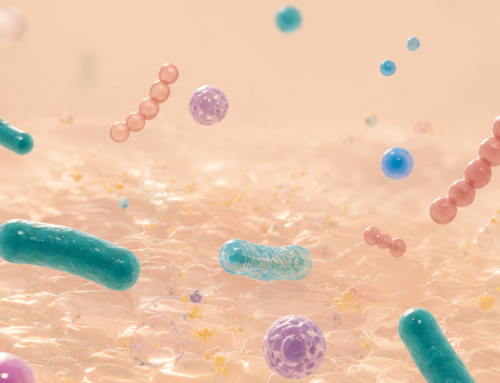
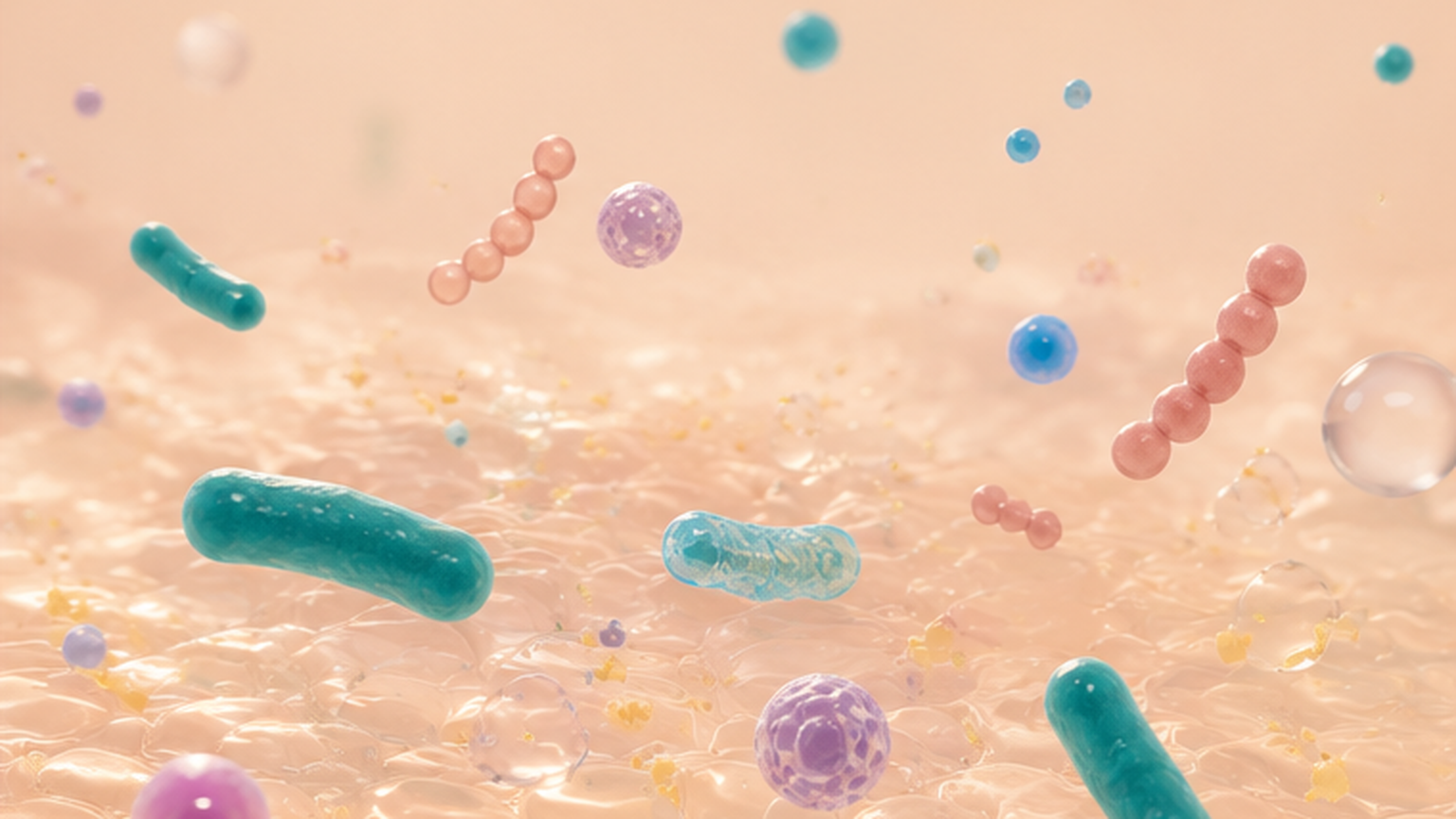
By definition, exosomes (also known as small extracellular vesicles, or sEVs) are tiny vesicles – bubbles of around 30–150 nm – which are considerably smaller than a skin pore.
They are released by cells and serve to transmit signals between cells, in other words for cell-to-cell communication. Through this communication, exosomes can transfer biological information which in turn can activate or modulate regeneration processes. They also contain bioactive molecules such as proteins, lipids, RNA and growth factors, and thus support repair mechanisms, inflammation control and skin renewal. In addition, they can transport active ingredients into the skin more efficiently (natural bioactive carriers).
Stem cells from certain plants have a very high concentration of exosomes: up to 1011 exosomes/ml. Interestingly, plant-derived exosomes are highly biocompatible: they can also be taken up by human cells and communicate with them, which holds great potential for cosmetic applications.
Exosomal actives are available from various plants (including goji, grape and pomegranate) and also on a microalgae basis. Exosomes from microalgae are characterised by their high content of antioxidant and regenerative molecules as well as by their sustainable, reproducible production.
For dermatology, but also for professional cosmetics, exosomes open up a new dimension of effective, highly sophisticated regeneration treatments that are gentle, safe and at the same time scientifically substantiated.
Cosmetic applications with exosomes can influence the skin on several levels:
- In hair regeneration: exosomes from the turmeric plant, for example, target the activation of hair follicles and the promotion of hair growth. They help to activate the cells in the scalp and strengthen the hair root.
- For improved barrier function: goji exosomes can, among other things, upregulate the production of protective genes (such as loricrin) that are important for the skin’s barrier function, thereby reducing moisture loss.
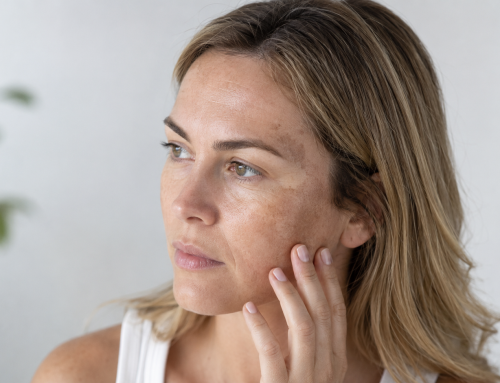
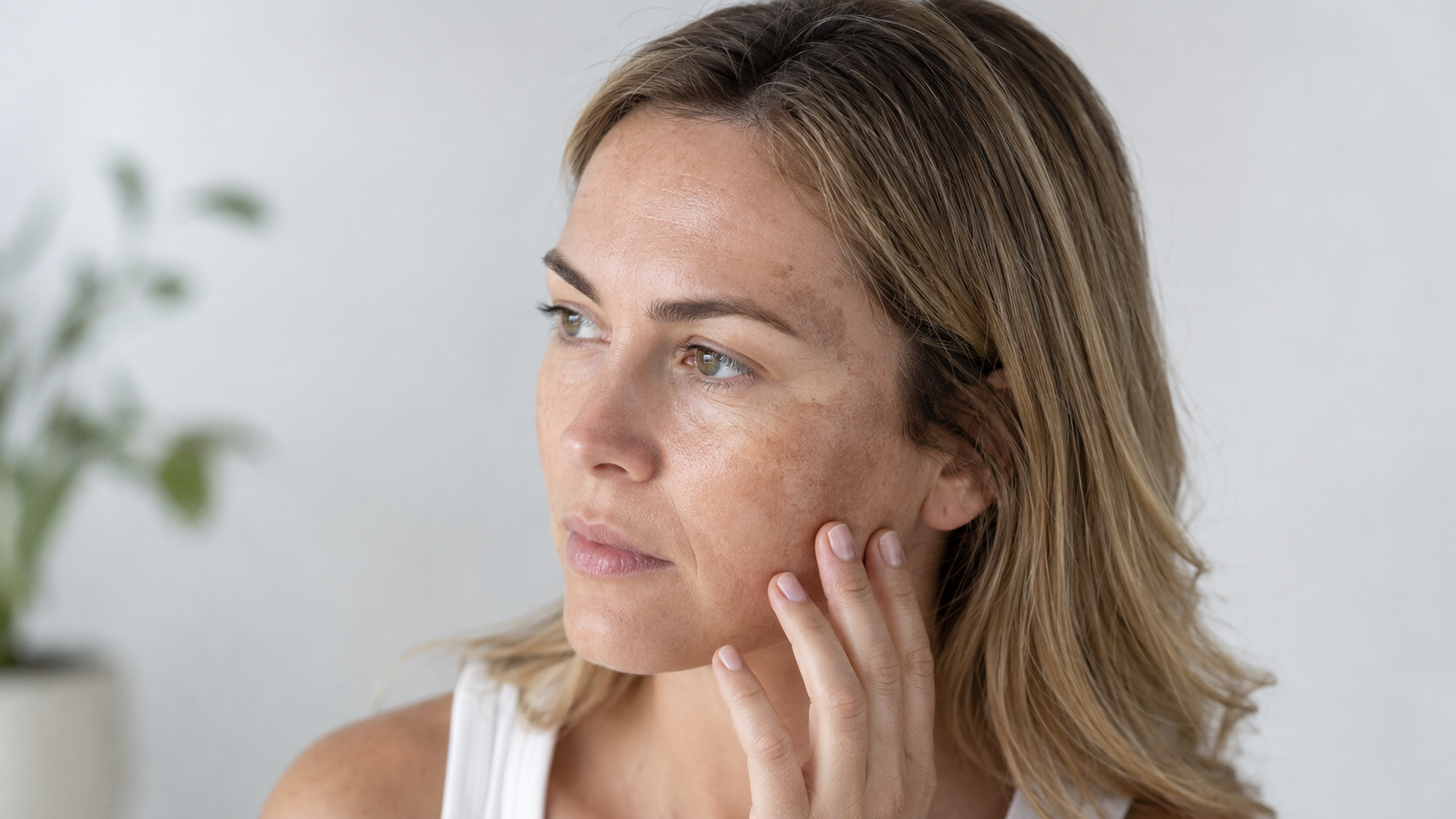
- In hyperpigmentation: initial scientific findings suggest that exosomes can influence melanin formation on various levels. Early studies show that they modulate inflammation-related signalling cascades, communicate with melanocytes and regulate processes involved in pigment production. Research here is still in its early stages, but the findings so far make exosomes a promising approach for pigment-related skin conditions.
Above all, however, exosomal actives show great potential in scar treatment and in dermatological and cosmetic skin regeneration (anti-ageing).
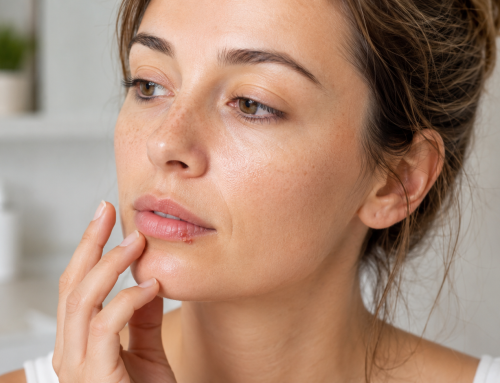
Scar treatment: in dermatological research, exosomes have proved particularly promising in the field of wound healing and scar formation. Scars develop when skin injuries extend into the dermis; they represent a kind of “fibre-rich replacement tissue”.
Exosomes can provide support at various levels of the scarring process.
After a skin injury, complex repair mechanisms are set in motion: among other things, increased amounts of the growth factor VEGF-A are released. This attracts repair cells, promotes the formation of new blood vessels and tissue, and supports wound closure.
Exosomes can accompany these natural processes by improving communication between repair cells and supporting fibroblast activity. As a result, the extracellular matrix – with its collagen and elastin fibres – can be built up in a more ordered way, which can have a positive influence on how the scar develops.
Skin regeneration: with increasing age, the number and quality of collagen and elastic fibres decline, cell communication slows down at the same time, and inflammatory micro-processes (“inflammaging”) increase. The consequences are the formation of wrinkles and changes in the firmness, smoothness and texture of the skin.
Exosomes can act at various points here: they improve communication between skin cells, modulate inflammatory reactions and support the regenerative capacity of fibroblasts. This can initiate repair processes and positively influence visible signs of skin ageing.
Plant-derived exosomes – from goji or grape, for example – transport bioactive molecules that can reach skin cells in a targeted way. They stimulate the formation of important matrix components such as collagen and elastin and strengthen the skin barrier, contributing to firmer, smoother and more resilient skin.
Microalgae-based exosomes also show broad regenerative potential in initial investigations. They can influence signalling pathways linked to key regeneration factors such as FGF-2 (fibroblast growth factor 2) – a growth factor that is essential for fibroblast vitality and for the structural build-up of the skin. Mechanisms of this kind help to reduce oxidative stress and support the skin in its natural renewal processes.
Exosomes are regarded as natural regeneration boosters that can provide targeted support for wound healing and skin renewal processes on various levels.
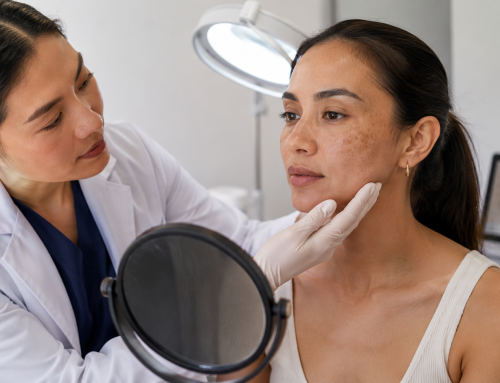
In dermatological practices they are used above all where skin regeneration is to be strengthened. Following laser treatments or medical microneedling in particular, exosomes can accompany the natural repair processes, modulate inflammatory reactions and even reduce downtime.
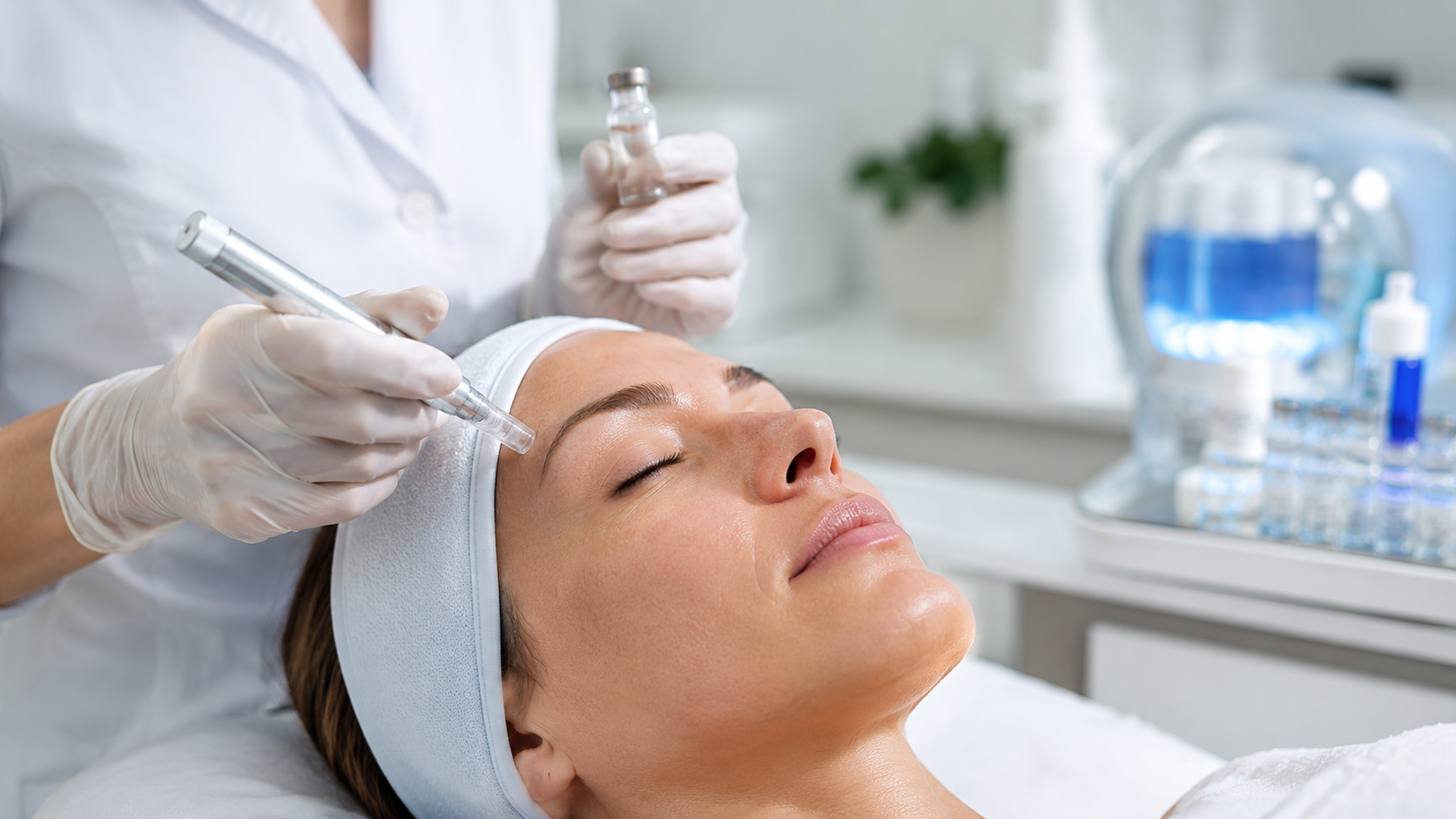
Exosomes are also increasingly being used in cosmetics. They are frequently applied as part of professional treatments – in combination with cosmetic microneedling, for example, or, depending on the concept, with ultrasound. With ultrasound, however, care should be taken – depending on the frequency and the device – to ensure that the intensity is not too high, since very strong vibrations can impair the delicate vesicle structure.
Exosomes show great potential in cosmetic practice, particularly as part of microneedling treatment courses. As with all regenerative applications, exosome-supported treatments need time to develop their full effect. Three to six sessions at intervals of three to four weeks are frequently recommended. Initial improvements such as a refined complexion or greater radiance may be visible after just one to two weeks; deeper regenerative effects such as increased firmness or a smoother skin texture, by contrast, develop over several weeks.
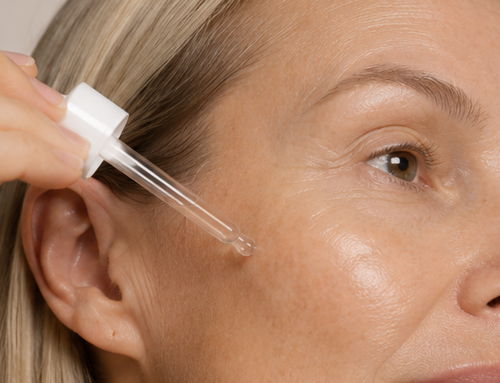
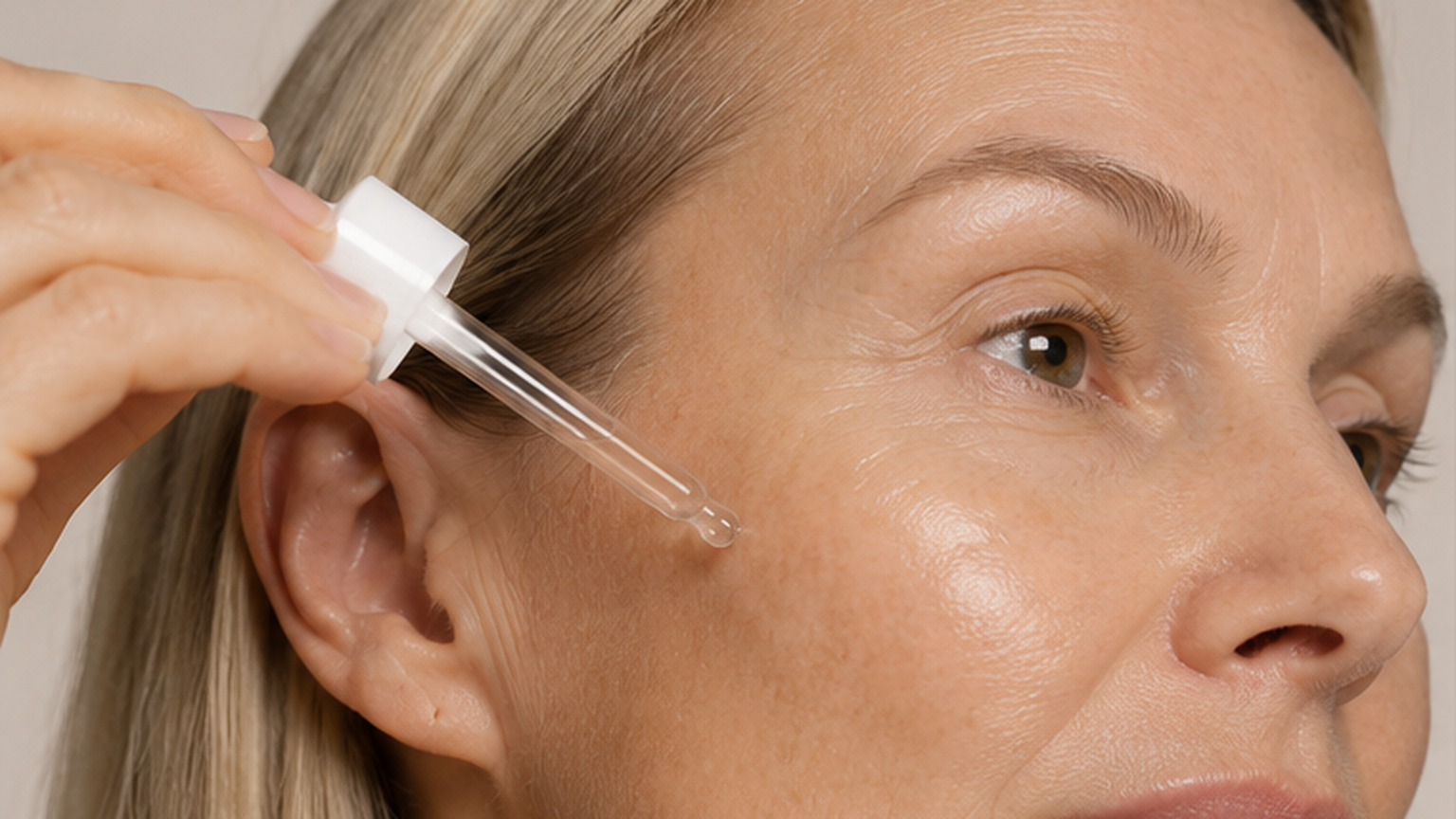
For home care, exosome-containing serums and creams are available to complement the professional treatment. Applied topically, exosomes can support epidermal regeneration, reduce oxidative stress and strengthen the skin barrier. Observations from practice and research show that the effects are particularly pronounced when exosomes are used as part of a comprehensive treatment concept – in other words, combining professional treatment (dermatological or cosmetic) with accompanying home care.
The strongest effects, however, have been observed when exosomes are used in conjunction with professional treatments – in combination with cosmetic or medical microneedling, for example. The results are particularly convincing when this forms part of a course of treatment.