
Could microbiome-friendly products offer clinically relevant benefits for particular skin types or skin conditions?
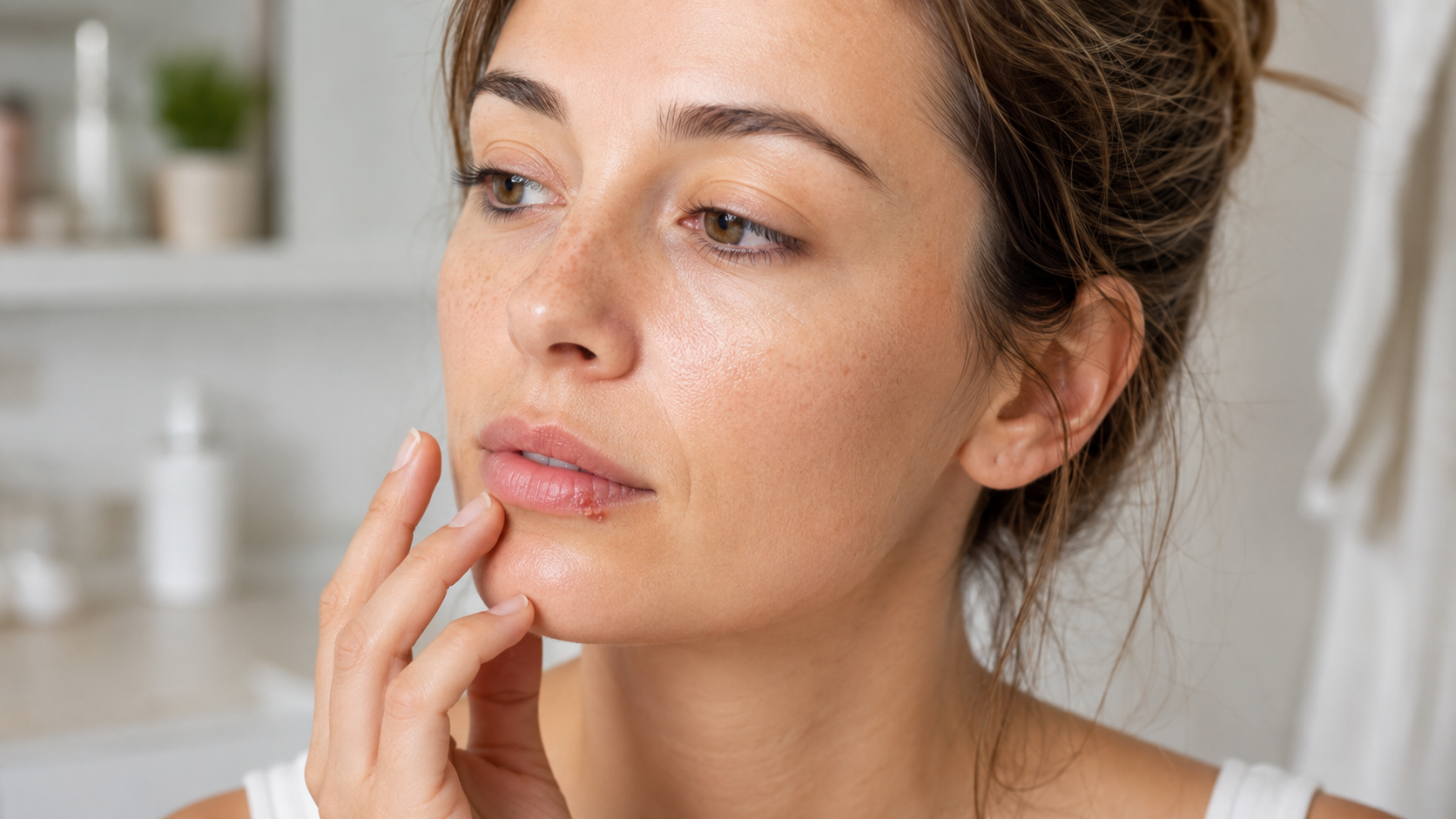
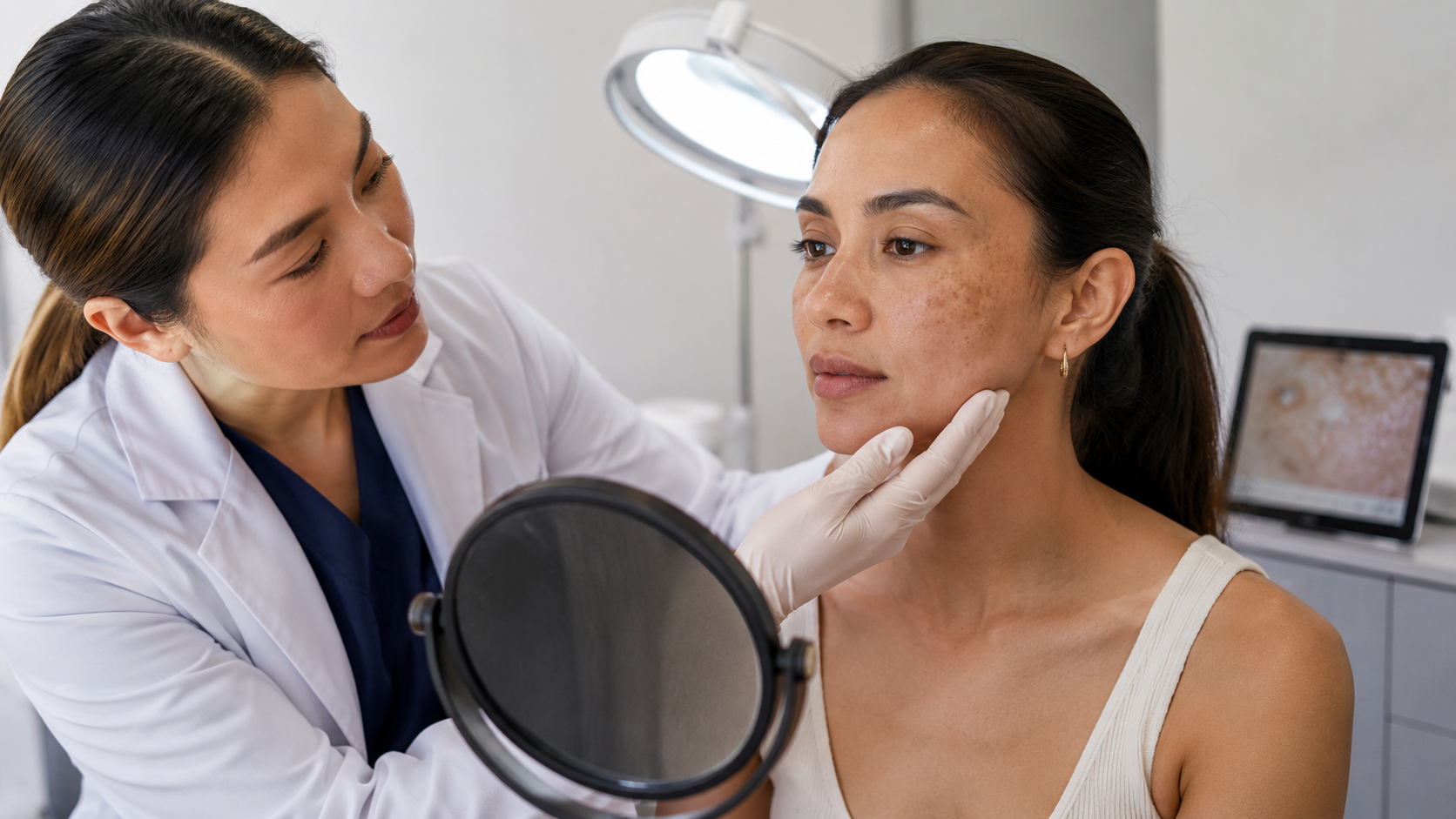
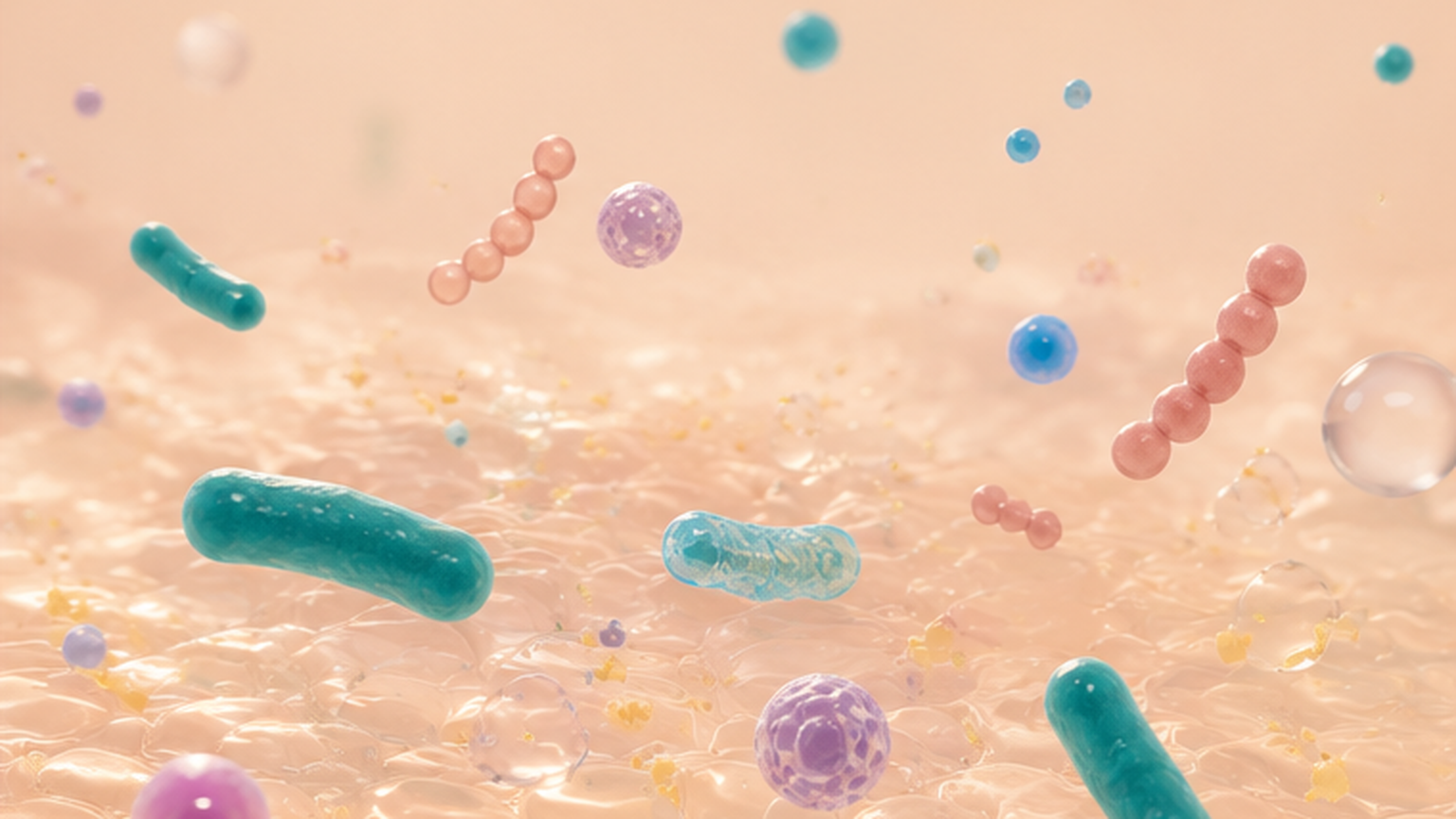
The skin microbiome plays a central role in skin health. External influences such as environmental stress, medication or aggressive cleansing products can disrupt the microbial balance – with possible consequences such as barrier problems or inflammation. Microbiome-friendly care (containing prebiotic ingredients, for example) can help to maintain or restore this balance, particularly in sensitive skin. Skin conditions such as atopic dermatitis, rosacea and acne are also associated with an altered microbiome composition. Whether this imbalance is the cause or the consequence of the condition has not yet been conclusively established scientifically – both are probably true1. An excess of Staphylococcus aureus, for instance, can intensify inflammation in atopic dermatitis, while beneficial bacteria such as Staphylococcus epidermidis can improve the condition of the skin2.
Which ingredients do you consider dermatologically questionable because they can have a negative effect on the microbiome?
Certain ingredients are regarded as potentially problematic for the skin microbiome, for example aggressive surfactants, preservatives, alcohol and fragrances. They disturb the natural balance, have an antimicrobial effect or can damage the skin barrier. Cleansing products are an important part of skin care, but they have been shown to reduce microbial diversity and to remove protective lipids as well as microorganisms3. It therefore makes very good sense to use a toner afterwards. While a well-formulated toner cannot specifically promote the microbiome, it can provide indirect support – by balancing the pH and stabilising the skin barrier after cleansing, for example.
Where do you see the future of microbiome-friendly products?
What once began as a marketing trend is increasingly developing into a scientifically substantiated approach. Microbiome-friendly care can help to control skin problems such as acne, rosacea or atopic dermatitis more precisely and to stabilise the skin barrier over the long term – especially in sensitive or compromised skin. One innovative approach is to test products for microbiome compatibility during the development process itself. Modern laboratory models of the skin microbiome4 simulate the interactions between ingredients and microorganisms precisely under laboratory conditions, thus enabling an evidence-based assessment and targeted optimisation of formulations. This could form the basis for future quality standards for microbiome-friendly products.
References:
1 Schmid-Wendtner M-H. Das Hautmikrobiom – die Bedeutung für Dermatologie und Hautpflege. Die Dermatologie. 2021;72(11):878–83.
2 Nakatsuji T, Chen TH, Butcher AM, Trzoss M, Nam SJ, Shirakawa KT, Zhou W, Oh J, Otto M, Fenical W, Gallo RL. Antimicrobials from human skin commensal bacteria protect against Staphylococcus aureus and are deficient in atopic dermatitis. Sci Transl Med. 2017;9(378):eaah4680. doi:10.1126/scitranslmed.aah4680
3 Bouslimani A, da Silva R, Kosciolek T, Janssen S, Callewaert C, Amir A, et al. The impact of skin care products on skin chemistry and microbiome dynamics. BMC Biol. 2019 Jun 12;17:47. doi: 10.1186/s12915-019-0660-6
4 Evonik Industries. New skin microbiome model supports the development of better cosmetics. Available online at: https://corporate.evonik.com/de/presse/pressemitteilungen/produkte/neues-hautmikrobiom-modell-unterstuetzt-die-entwicklung-besserer-kosmetika-219820.html