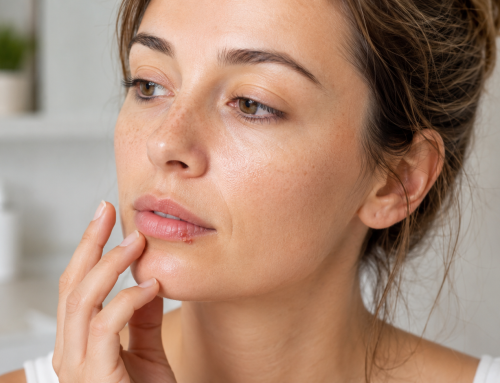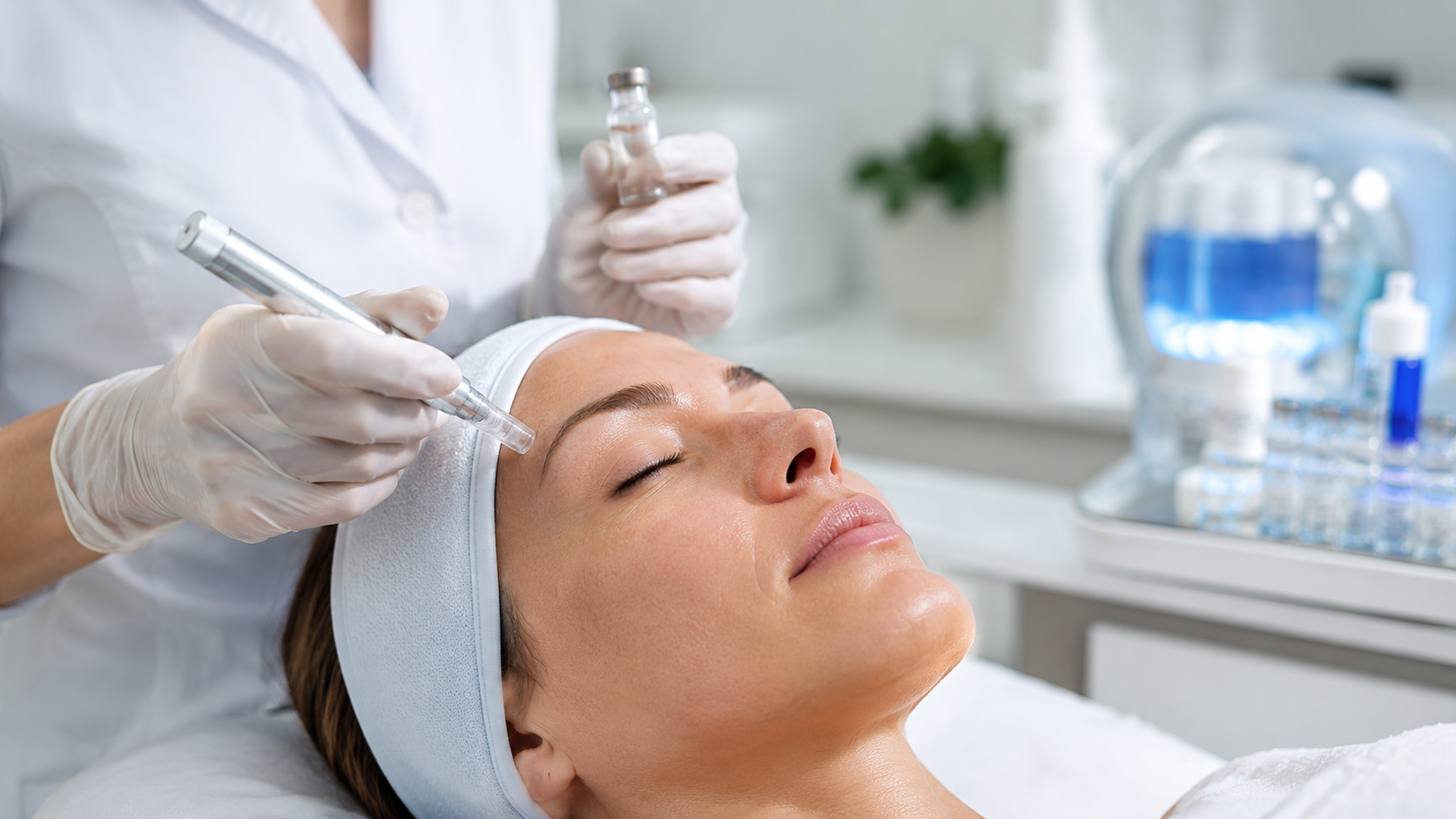

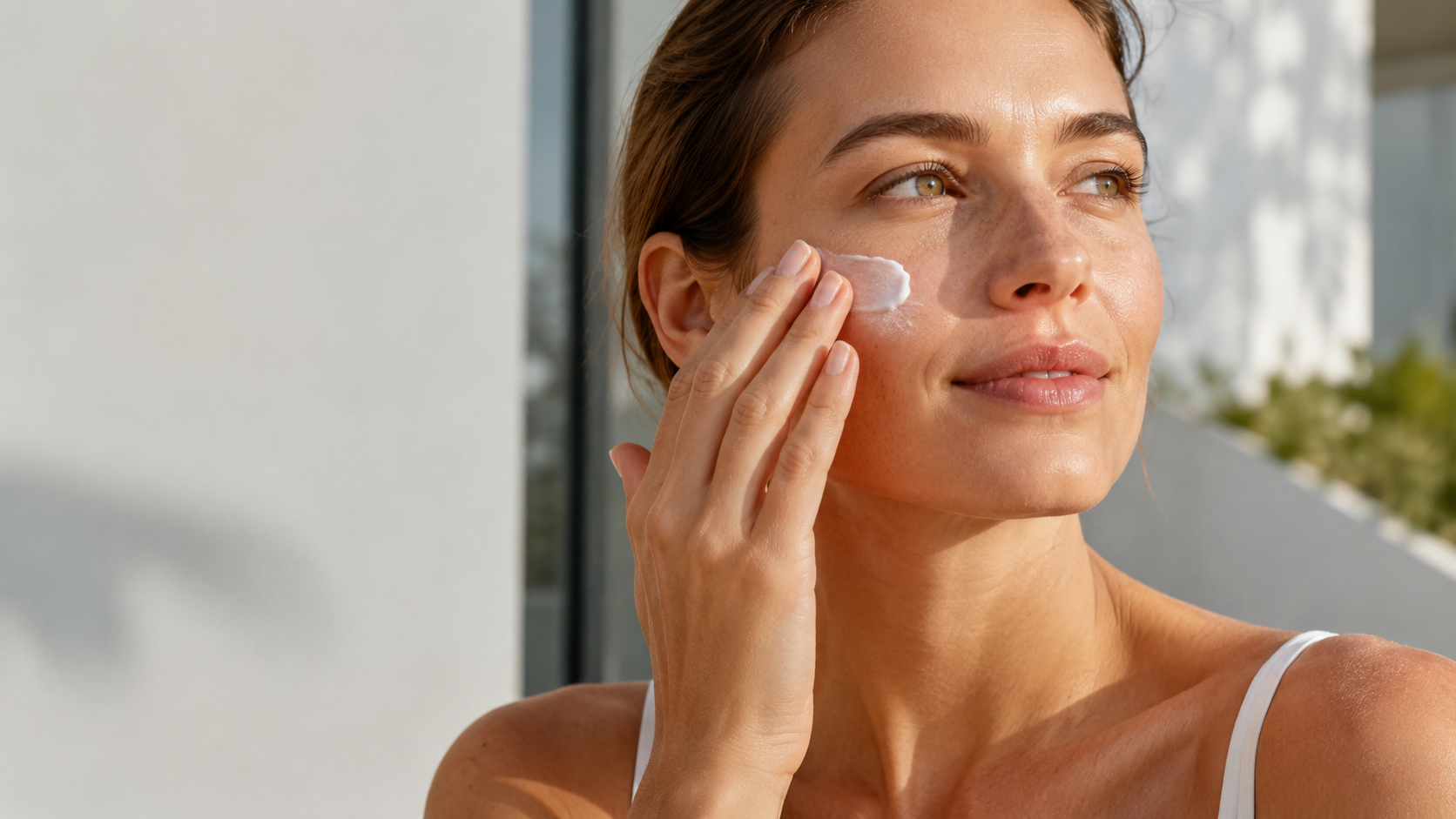
Beauticians and end consumers alike now expect holistic protection concepts that go beyond conventional sun protection. For a long time, classic sun care focused exclusively on shielding the skin from ultraviolet radiation (UV). The damaging effects of UVA and UVB rays on skin ageing, DNA damage and skin cancer are well documented and still form the basis of modern sun protection products today.
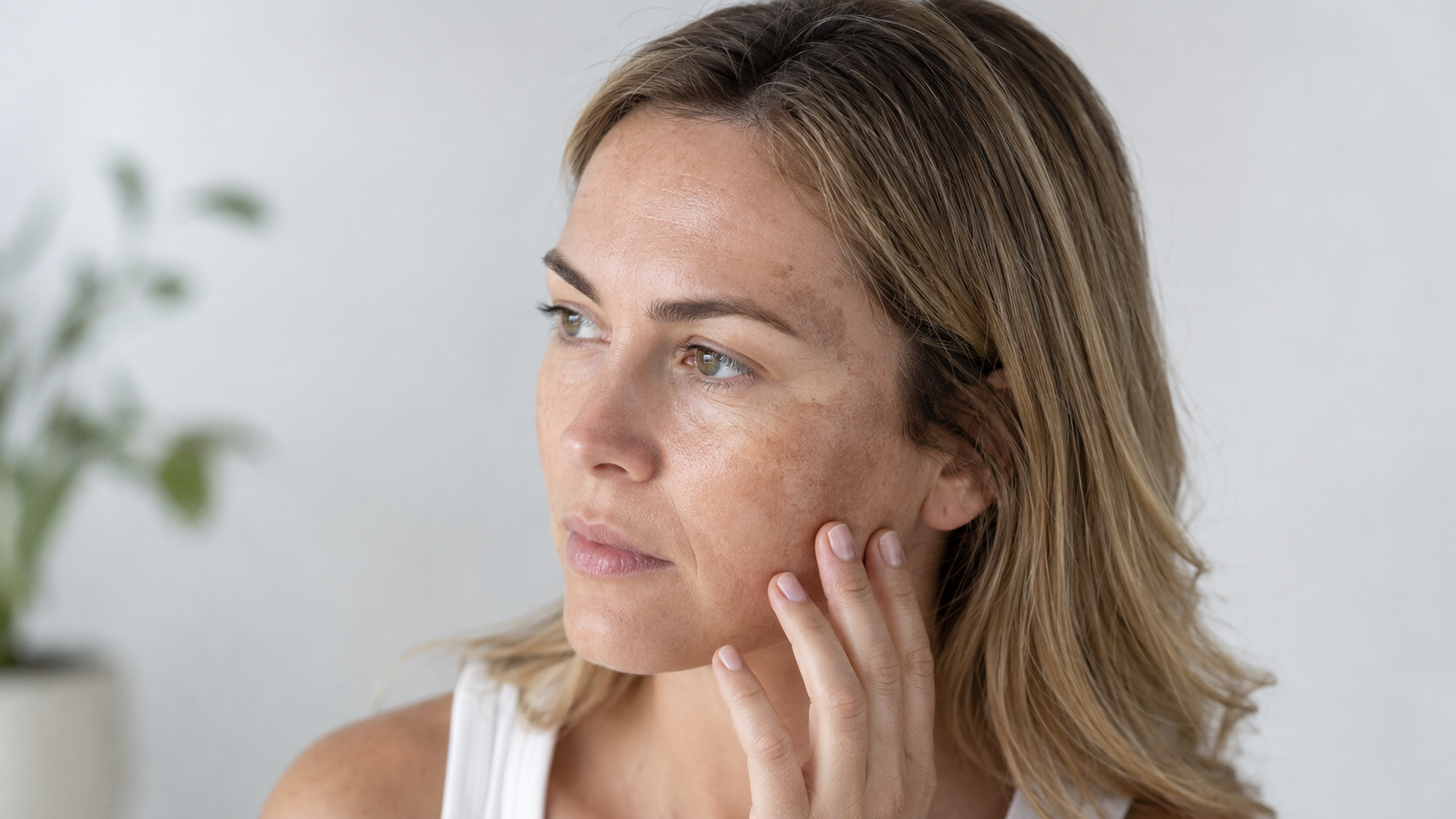
New scientific findings, however, are steadily broadening our understanding of skin ageing and environmental influences, showing that UV radiation is not the only environmental factor that affects the skin. Those parts of the light spectrum that are relevant to the skin (UVA, UVB, HEV, infrared), together with environmental pollution, can promote oxidative stress, pigment changes and premature skin ageing. Blue light (HEV), infrared radiation and environmental influences – and above all their combined effects on the skin – are attracting particular attention.
The so-called skin exposome describes the totality of all external environmental influences to which the skin is exposed over the course of a lifetime – from light and pollutants through to climate and lifestyle. The nature and intensity of these influences ultimately determine how quickly the skin ages – or how well it is preserved.
The most important exposome factors are:
- Light: UV radiation, infrared and blue light
- Environment: air pollution, exhaust fumes and particulate matter
- Climate: temperature, humidity and wind
- Lifestyle: stress, lack of sleep and diet
- Stimulants and medication: tobacco smoke, alcohol and certain medicines
Light plays a decisive role: around 80% of premature skin ageing is caused by light exposure – with UV radiation as the main factor, increasingly complemented by new findings on blue light and infrared. Light triggers oxidative stress and pigment disorders, promotes the breakdown of collagen and elastin, and accelerates the formation of wrinkles and the loss of elasticity.
Modern anti-ageing concepts – or next-gen sun protection products – therefore build on consistent, comprehensive “360°” light protection (UVA/UVB + blue light + IR protection) together with antioxidant protection, and complement this with moisturising and regenerating active ingredients.
In focus – types of light and their effects:
Sunlight is made up of different radiation ranges that differ markedly in wavelength and depth of penetration into the skin – and therefore in their damaging potential.
UVC radiation is already absorbed by the ozone layer. For the skin, UVA and UVB rays, infrared radiation and the effects of blue light (HEV) are of particular importance.
- UV rays:
- UVB penetrates primarily into the epidermis and the superficial dermis, causing sunburn and stimulating melanin formation. Accumulated, unrepaired DNA damage caused by UVB increases the risk of skin cancer.
- UVA reaches deeper into the skin, promotes the formation of free radicals, damages collagen and elastin fibres and thus accelerates wrinkling and loss of elasticity. UVA damage often only becomes visible years later; excessive UV exposure combined with declining repair mechanisms leads to premature skin ageing and hyperpigmentation.
- Infrared rays (IR) penetrate as far as the subcutis and are responsible for the sensation of warmth, but also for thermal stress. With prolonged exposure, IR influences various cellular processes: it promotes the formation of free radicals, which primarily damage the mitochondria (the cells’ power plants). This encourages brownish skin discolouration (erythema ab igne / heat-induced melanosis) and the breakdown of collagen fibres, resulting in reduced skin elasticity and the formation of wrinkles.
- Blue light (HEV / high-energy visible light) – from sunlight, but also from screens and LEDs – penetrates into the dermis and generates free radicals to a high degree. This leads to pronounced oxidative stress with consequences such as dryness, loss of elasticity, wrinkling, pigment shifts and a dull complexion. It promotes premature skin ageing (“digital ageing”) and affects the skin’s circadian rhythm.
In general, the different types of light have different effects, but all of them generate reactive oxygen species (ROS) which damage DNA, mitochondria and collagen structures, among other things. Next-gen sun protection must therefore provide antioxidant protection alongside balanced light protection.
Modern skin care should start before skin ageing becomes visible and should preserve skin health over the long term. Skin longevity focuses on protecting and maintaining key skin functions – not solely on correcting signs of ageing that are already visible.
Next-gen photoprotection is a central active principle here: it protects not only against radiation, but also against the many environmental influences that together contribute to premature skin ageing.
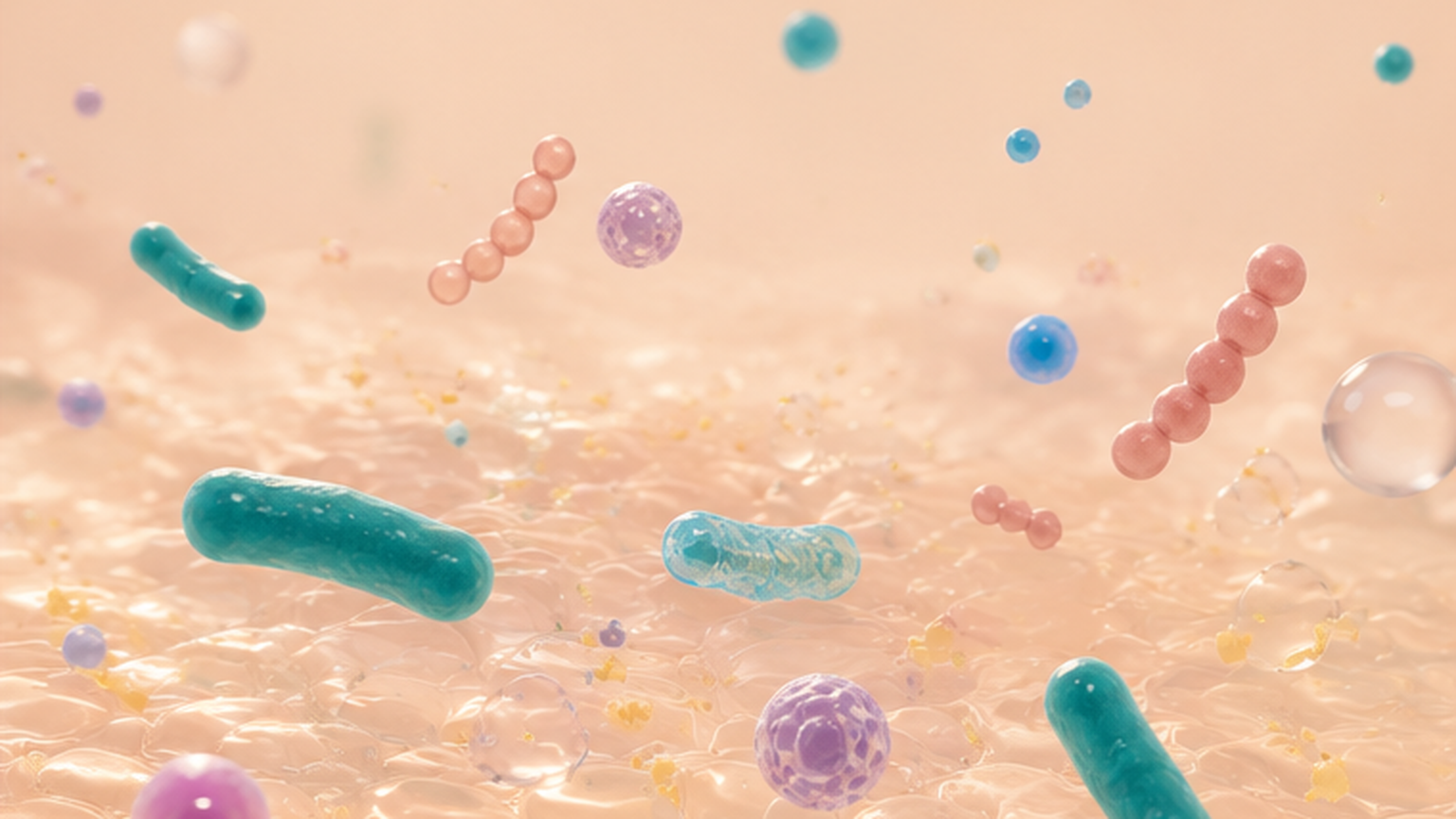
Alongside the various forms of radiation exposure, environmental pollution plays an increasing role in skin health. UV radiation and pollutants act synergistically: together they trigger more oxidative stress than either factor on its own. Particulate matter, ozone and other pollutants are deposited on the skin surface, in part penetrate the skin barrier, and can cause or intensify hyperpigmentation, inflammatory reactions and a compromised skin barrier. Next-gen protection systems should therefore cover an antioxidant and barrier-strengthening component against environmental pollutants in addition to light protection.
Blue light (HEV) acts on the skin via two independent mechanisms: alongside directly inducing oxidative stress, it also influences the skin’s circadian rhythm. Skin cells have their own “clock genes” which control regeneration, cell division and repair processes. Excessive screen time can disrupt these biological rhythms and thus shift the timing of important skin functions. As a result, repair mechanisms work less efficiently while inflammatory processes may increase. In practical terms, these new findings mean that evening screen exposure in particular can have a negative effect not only on sleep, but also on the skin’s overnight regeneration – an aspect that is increasingly being taken into account in modern skin protection concepts.
All of these factors rarely act in isolation – their combined effect on the skin is the actual reason why modern protection concepts require a holistic approach.
For beauticians, this knowledge represents an important extension of their expertise and consultancy work. With a sound background, they can demonstrate that sun protection is not only relevant in summer or on holiday. Numerous environmental factors also act on the skin in everyday life – from sunlight and screen exposure through to air pollution.
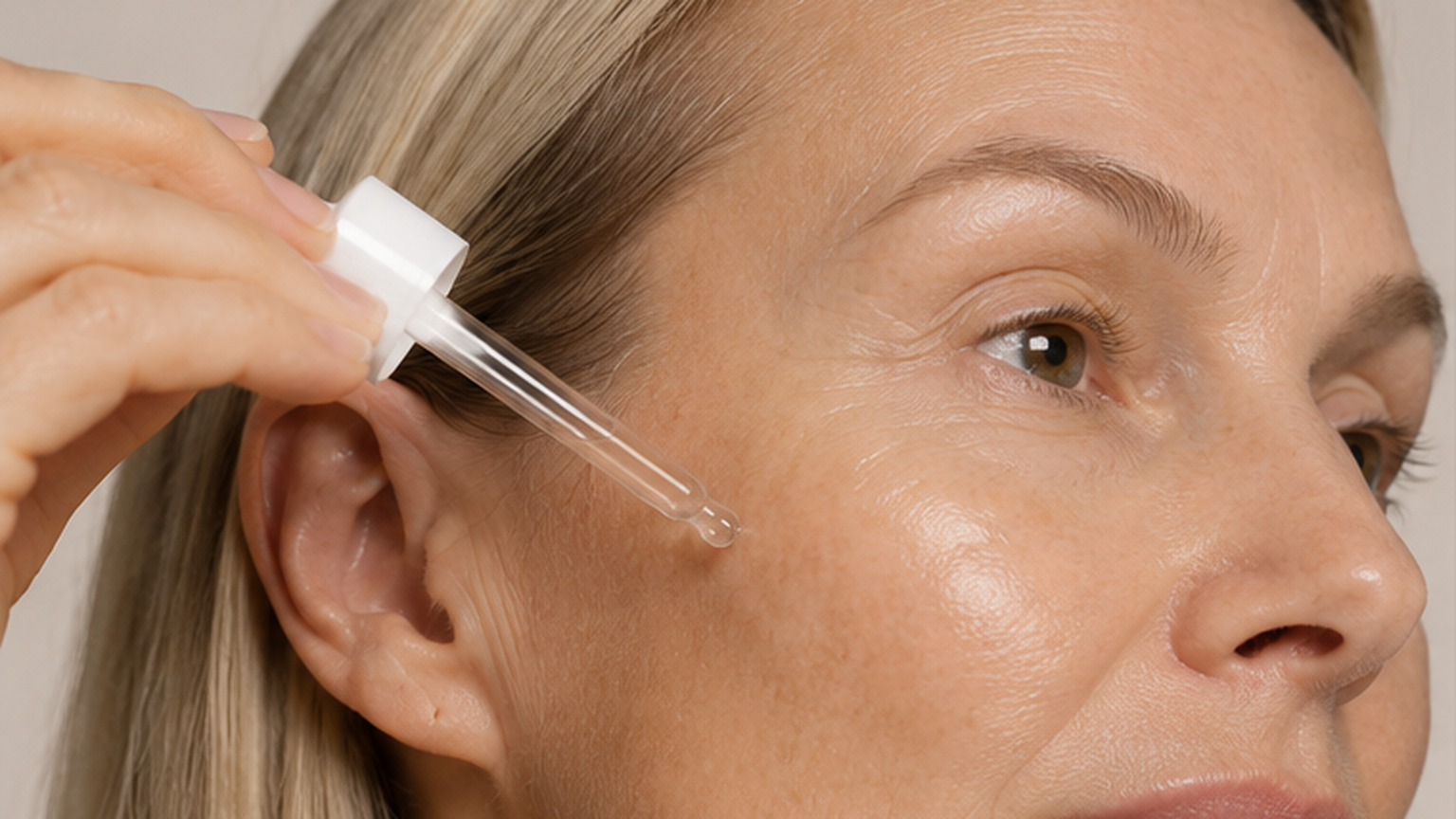
Individual protection and care concepts offer a comprehensive approach combining prevention, protection and regeneration. Products designed to address the various influences and mitigate their effects form the basis for skin that stays healthy and resilient in the long term:
- Classic UV filters are the indispensable foundation. Organic UV filters absorb UV radiation. Mineral UV filters such as titanium dioxide or zinc oxide likewise protect predominantly through absorption; reflection and scattering contribute more strongly to the optical effect in the visible range. For everyday use, an SPF of 30 to 50 is recommended, with UVA protection amounting to at least one third of the stated SPF. The protection claimed presupposes that products have been tested according to standardised procedures. For consultations, it is therefore advisable to select quality-assured products from established manufacturers.
- Alongside this classic UV protection, active ingredients that also protect against the effects of infrared and blue light (HEV) are moving into focus. Since these radiation ranges act primarily via oxidative stress and cellular signalling pathways, antioxidants and cell-protecting actives are central to modern formulations. Innovative plant cell complexes – derived from jasmine, for example – can protect skin cells against light-induced damage (UV, blue light, infrared radiation) on several levels. Such “defence” mechanisms delay skin ageing and improve radiance.
- Barrier-strengthening actives such as ceramides increase the skin’s resilience to moisture loss and environmental stress, and are a further building block of modern next-gen protection systems.
- Cell protection against damage from environmental pollution (particulate matter, exhaust fumes, free radicals) is provided by ingredients such as ectoin and betaines. They strengthen the skin barrier, provide moisture and form a kind of protective mantle, so that pollutants penetrate less readily.
The combination of these active principles – light protection, antioxidant protection and barrier strengthening – gives the skin comprehensive protection against premature ageing caused by radiation and environmental influences, preserves its vital functions and supports regeneration. Next-gen sun protection is therefore far more than a classic summer product: it is a holistic skin protection concept for modern everyday life.
References
[1] Krutmann J, Bouloc A, Sore G, Bernard BA, Passeron T. The skin aging exposome. J Dermatol Sci. 2017;85(3):152–161.
[2] Guerrero-Navarro L, Jansen-Dürr P, Cavinato M. Synergistic interplay of UV radiation and urban particulate matter induces impairment of autophagy and alters cellular fate in senescence-prone human dermal fibroblasts. Aging Cell. 2024;23:e14086.
[3] Su Z, Hu Q, Li X, Wang Z, Xie Y. The influence of circadian rhythms on DNA damage repair in skin photoaging. Int J Mol Sci. 2024;25(20):10926.
[4] Abdel Azim S, Bainvoll L, Vecerek N, DeLeo VA, Adler BL. Sunscreens part 1: Mechanisms and efficacy. J Am Acad Dermatol. 2025;92(4):677–686.