
Reducing pigment shifts is one of the most common treatment requests in cosmetic and dermatological practice. Sun spots and post-inflammatory hyperpigmentation (PIH) look similar at first glance, yet they differ significantly in how they develop, in the risks they carry and in their treatment. In this interview, the dermatologists at Dr. med. Christine Schrammek Kosmetik explain what matters in making a diagnosis, which preventive and treatment measures are available, and where the limits of cosmetic and medical therapy lie.
What are the differences between sun spots and PIH, and which current diagnostic criteria do you apply?
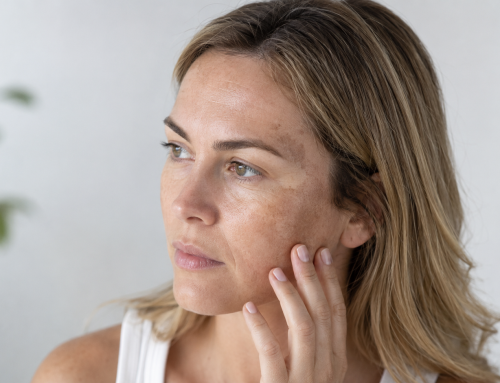
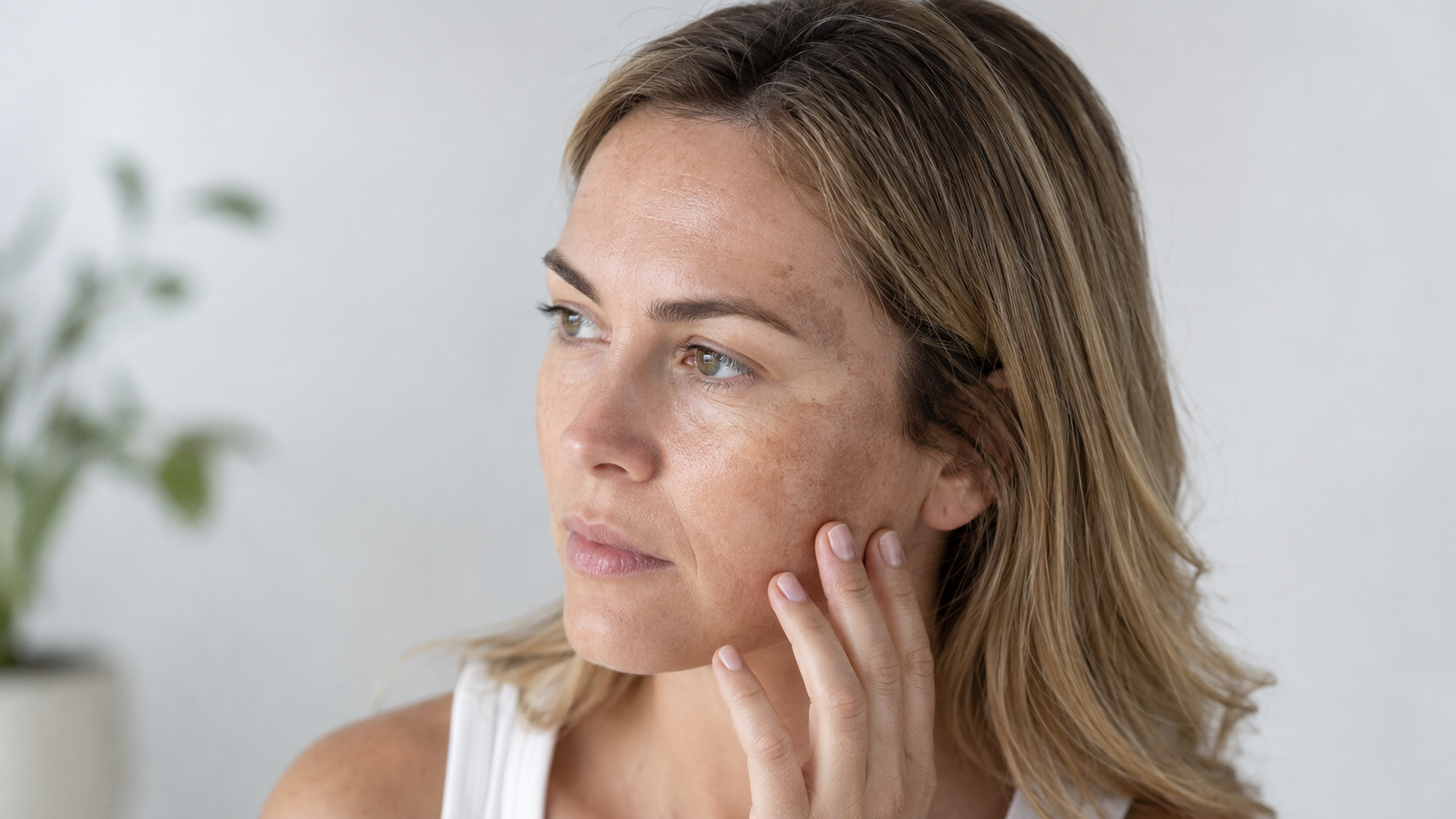
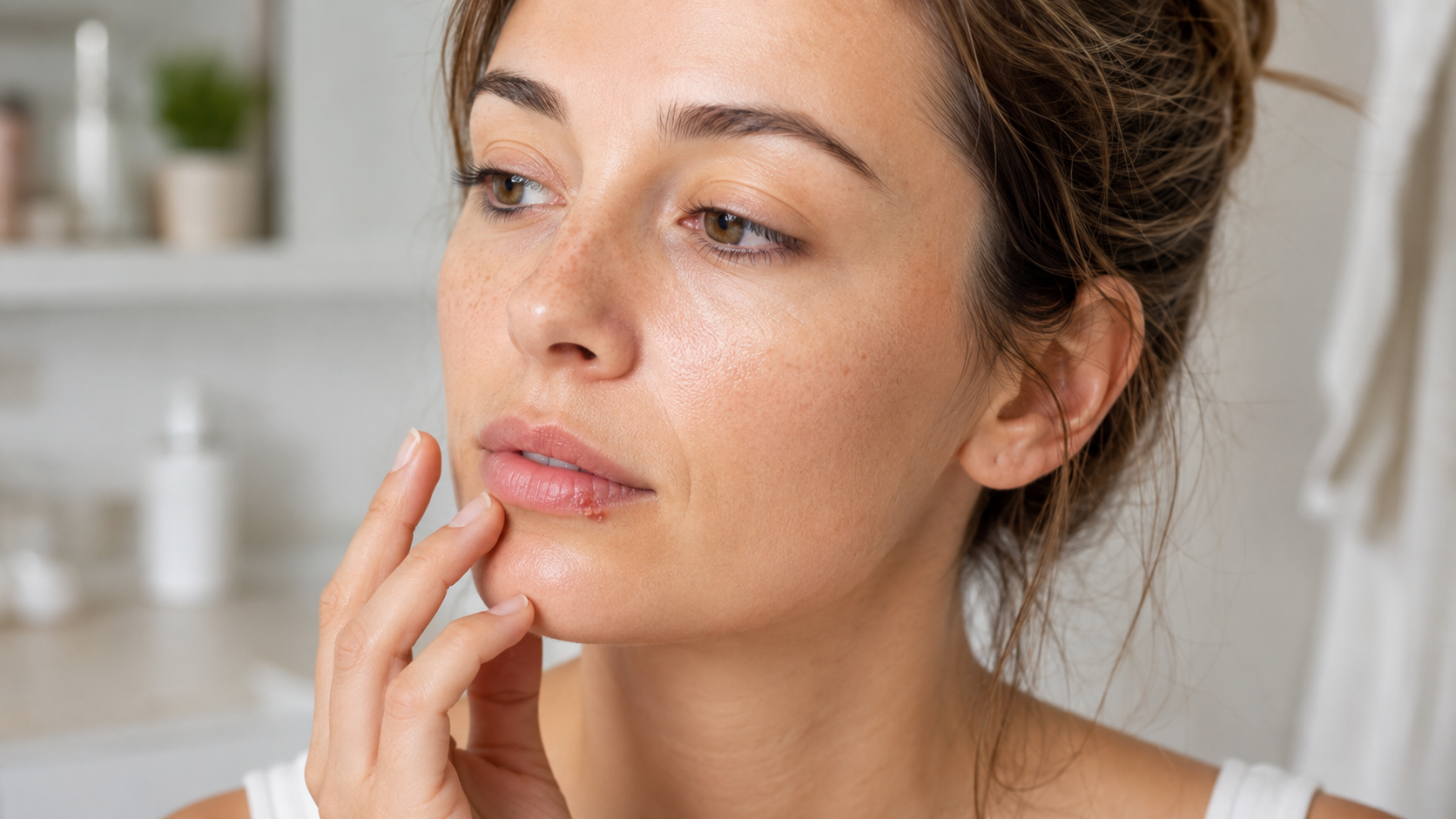
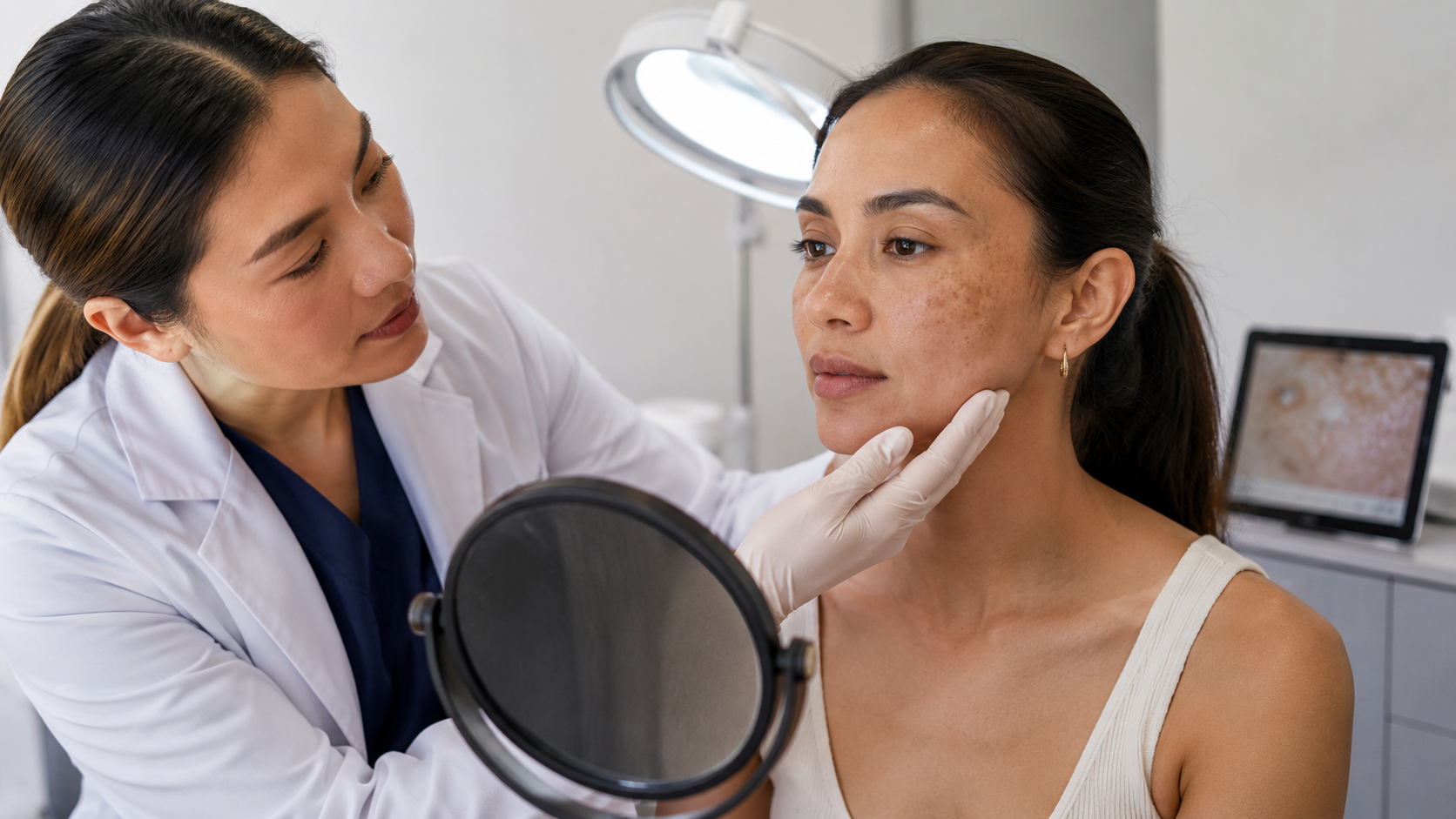
Sun spots are caused by chronic UV exposure. They are usually sharply defined, light to dark brown, and typically found on sun-exposed areas such as the face, décolleté and backs of the hands. Post-inflammatory hyperpigmentation (PIH), by contrast, develops after inflammation – following acne, eczema, burns, aggressive peels, laser/IPL treatments or manipulation of the skin, for example. The shape of PIH follows the pattern of the preceding inflammation. Diagnostic criteria are the patient history, distribution, colour, progression and dermatoscopy. In the case of unclear or atypical lesions, a dermatological assessment is carried out in order to rule out pigmented (melanocytic) lesions such as an early, non-invasive form of malignant melanoma (lentigo maligna).
Which skin types are most strongly affected, and how does the risk change with age?
PIH can affect all skin types, but it is more frequent, more pronounced and more persistent in more heavily pigmented skin, for example Fitzpatrick III–VI, because the melanocytes react more strongly to inflammatory stimuli. Sun spots increase above all as a result of many years of UV exposure and from the age of 40 onwards. In fair skin types (Fitzpatrick I and II) they are also perceived earlier and far more visibly.
Which evidence-based treatment approaches do you recommend as dermatologists? What needs to be borne in mind during treatment (and what is a beautician not permitted to do)?
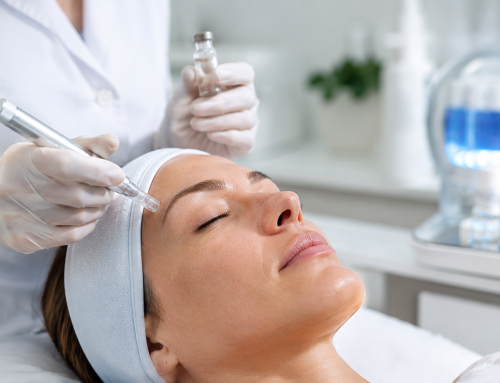
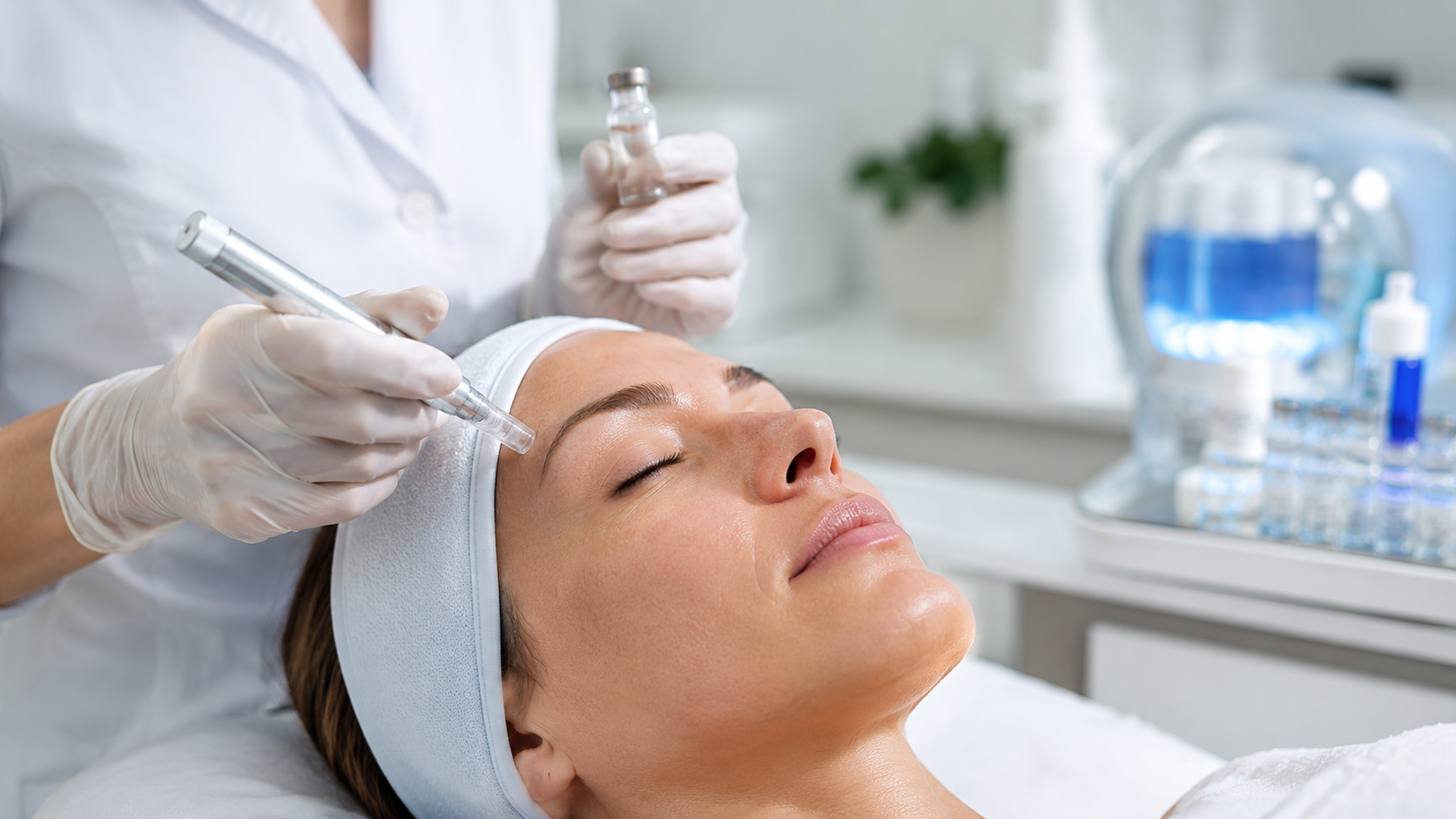
For the best possible outcome, combined (multimodal) treatment options make sense: consistent light protection, topical active ingredients and, where appropriate, medical peels, laser or IPL – depending on the diagnosis, skin type, depth of the pigment and tendency towards inflammation. In the medical field, picosecond lasers and the thulium laser are gaining in importance. While picosecond lasers fragment pigment particles in a targeted manner, the thulium laser creates tiny microchannels in the skin through which topical actives such as tranexamic acid can penetrate more deeply – with good results in melasma.
With PIH, the priority is initially to control the underlying cause, for example acne or eczema. Medical laser therapy and specific active ingredients (retinoids, hydroquinone) fall within medical responsibility.
Beauticians may not make a medical diagnosis, may not treat pathological skin changes and may not use prescription medicines. Before any treatment, melanocytic changes must be reliably ruled out.
Which topical active ingredients are currently considered particularly effective in reducing sun spots and PIH, and in which combinations do you use them?
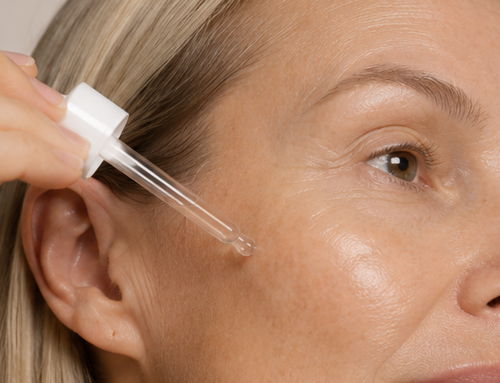
Cosmetically proven actives include niacinamide, vitamin C, azelaic acid derivatives, glabridin and arbutin. What matters is addressing several steps of pigment formation at the same time – from melanocyte stimulation through melanin synthesis to melanin transfer – in order to achieve the best possible results. Anti-inflammatory and antioxidant components should also be incorporated. In dermatology, the classic choices are hydroquinone, retinoids, azelaic acid and physician-supervised combination preparations.
Which prevention strategies do you recommend in order to minimise sun spots and PIH after treatments? What can a beautician recommend to her client?
For both, daily broad-spectrum UV protection with SPF 50+ is the highest priority. It should be applied in sufficient quantity and combined with further protective measures: wearing a hat and sunglasses, seeking shade and avoiding the midday sun, for example. After peels, microneedling or device-based treatments, the following applies for several weeks depending on the intensity of the treatment: no sun, no heat, no sauna and no irritating active ingredients until the skin barrier has stabilised again. Products containing ceramides or panthenol, and antioxidant serums, are a sensible addition to the care routine during this period. Beauticians can provide valuable guidance on these rules of conduct, especially after intensive treatments. With PIH, prevention is decisive: keep inflammatory stimuli to a minimum, avoid manipulating the skin and respond early to the first reactions after a treatment.
How do you deal with skin reactions or deterioration after aesthetic treatments that could cause pigment changes?
If severe redness or burning occurs during a treatment, it should be stopped immediately. The skin should then be soothed with gentle cooling and barrier care, and above all no further stimuli should be applied. If the first signs of PIH appear in the days that follow, the rule is: consistent light protection, low-irritant care to stabilise the skin barrier – with ceramides or panthenol, for example – and gentle follow-up treatment, rather than counteracting aggressively with stronger peels or irritating actives. In cases of blistering, crusting, pain, persistent severe redness, weeping or signs of infection, a dermatologist should always be consulted. Where necessary, they can use topical steroids for a short period in order to reduce the inflammation and prevent further overproduction of pigment.
How can the success of a pigment treatment be objectively measured and documented?
For meaningful documentation of progress, general photographic documentation requires consistent conditions: camera, lighting, distance, angle and time of day should be identical for every image. Standardised system photography, for example with VISIA®, has also become established; it predefines these parameters and therefore offers greater reproducibility. Measuring devices such as the Mexameter® or Chromameter® can additionally quantify melanin or erythema levels objectively. In dermatological practice, validated scores such as MASI/mMASI (melasma) and PIH severity indices allow a structured comparison over time. Documentation should be carried out at clearly defined intervals, for example at 4, 8 and 12 weeks, and should take seasonal variation into account.
What common mistakes do you see in the treatment of pigment disorders (in dermatological practice, in the salon and/or at home)?
Common mistakes in treating pigment disorders can arise from overly aggressive initial treatments without a sufficient acclimatisation phase and without consistent UV protection. Further risks are using too many active ingredients at once, treating inflamed skin, and laser/IPL applications on tanned or otherwise unsuitable skin. In the salon, an incomplete client consultation before treatment also plays a role – for example whether the client is pregnant, whether she is taking certain medicines that make the skin more photosensitive (antibiotics, St John’s wort or vitamin A preparations, for instance), or whether she has recently undergone acne therapy with isotretinoin. Also critical: treating pigmentation that has not been medically assessed, and leaving too short an interval between treatments. At home, the main problems are excessive exfoliation, mixing incompatible actives (retinol combined with strong acids, for example), inconsistent sun protection, discontinuing treatment prematurely and manipulating the skin. Unrealistic expectations also encourage over-treatment – a step-by-step approach and patience are usually the better route.
Which of the latest developments or studies on sun spots and PIH do you consider particularly relevant for beauticians in practice?
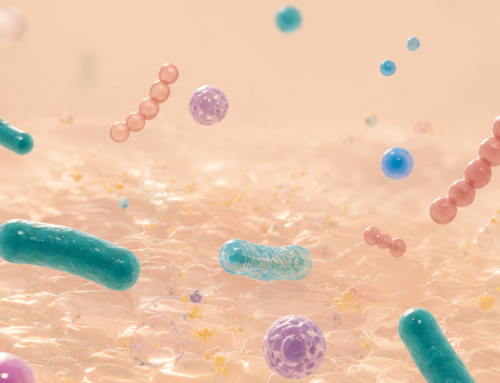
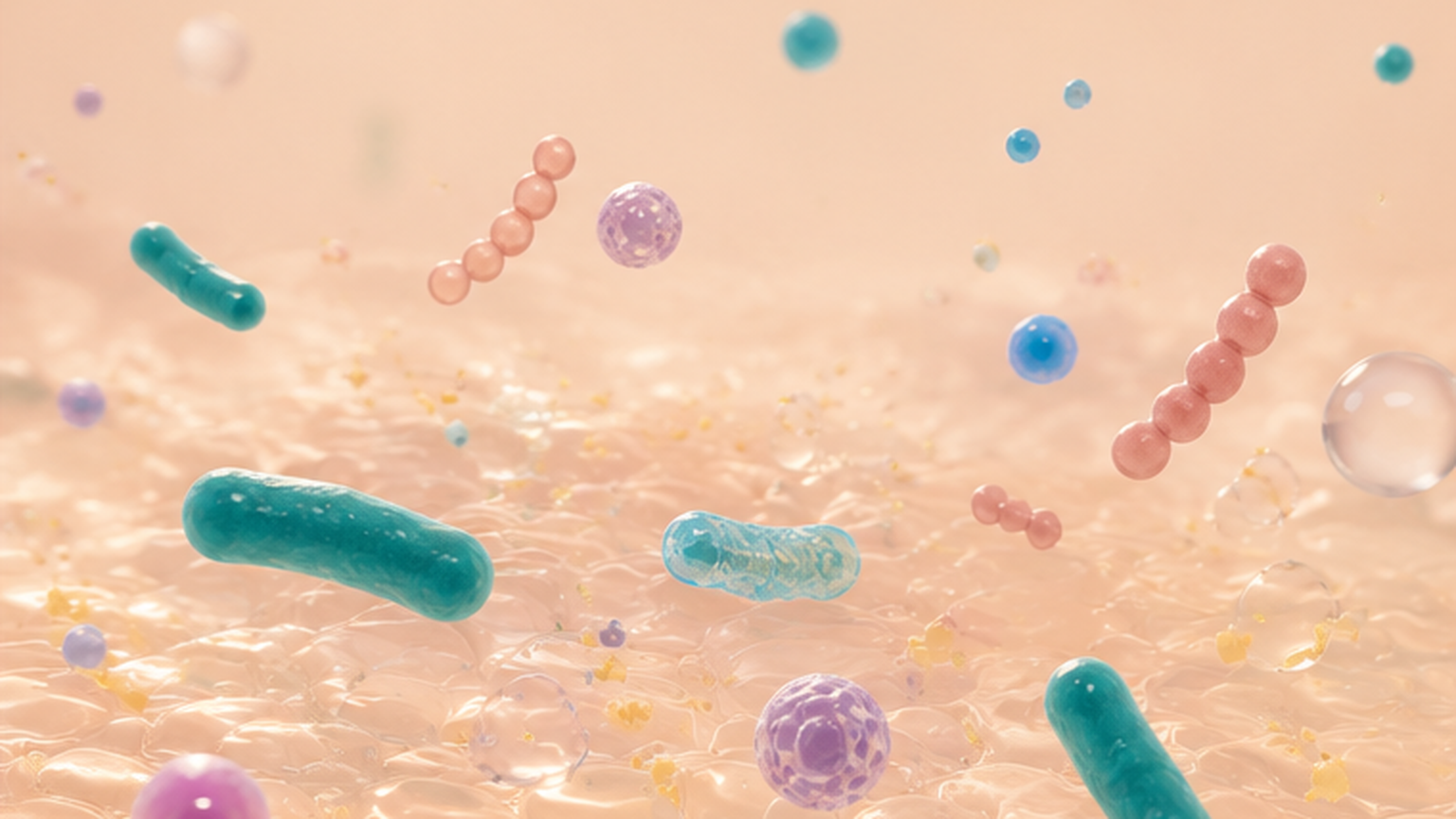
Pigment therapies are moving towards barrier-friendly, low-inflammation concepts with a stronger focus on skin preparation, aftercare and the combination of mild active ingredients rather than maximum irritation. A new aspect here is the role of the skin microbiome: a balanced microbiome can contribute directly to limiting PIH via immunological signalling pathways – an approach that underlines the importance of gentle, microbiome-friendly care in aftercare too. On light protection, current evidence shows that not only UV radiation but also visible light and blue light can activate melanogenesis – tinted sunscreens containing iron oxides offer broader protection here than classic UV filters alone.
What role do aftercare and home care play in the long-term success of pigment treatments?
The long-term success of pigment treatments stands or falls with home care. Success depends less on individual treatments than on a consistent home care routine. Visible improvements take time, usually 12–16 weeks, and require perseverance. The decisive factors are daily, very high light protection, a stable skin barrier, anti-inflammatory active ingredients and realistic expectations. Beauticians play an important role here: they accompany the application, recognise over-stimulation at an early stage and can refer clients to dermatologists in good time if anything unusual appears.
References
[1] Auffret N, Leccia MT, Ballanger F, Claudel JP, Dahan S, Dréno B. Acne-induced Post-inflammatory Hyperpigmentation: From Grading to Treatment. Acta Derm Venereol. 2025;105:adv42925.
[2] Minasyan M, Hogan S, Lal K. Oral Tranexamic Acid for Prevention and Treatment of Postinflammatory Hyperpigmentation. Dermatol Surg. 2024;50(12S):S219-S224.